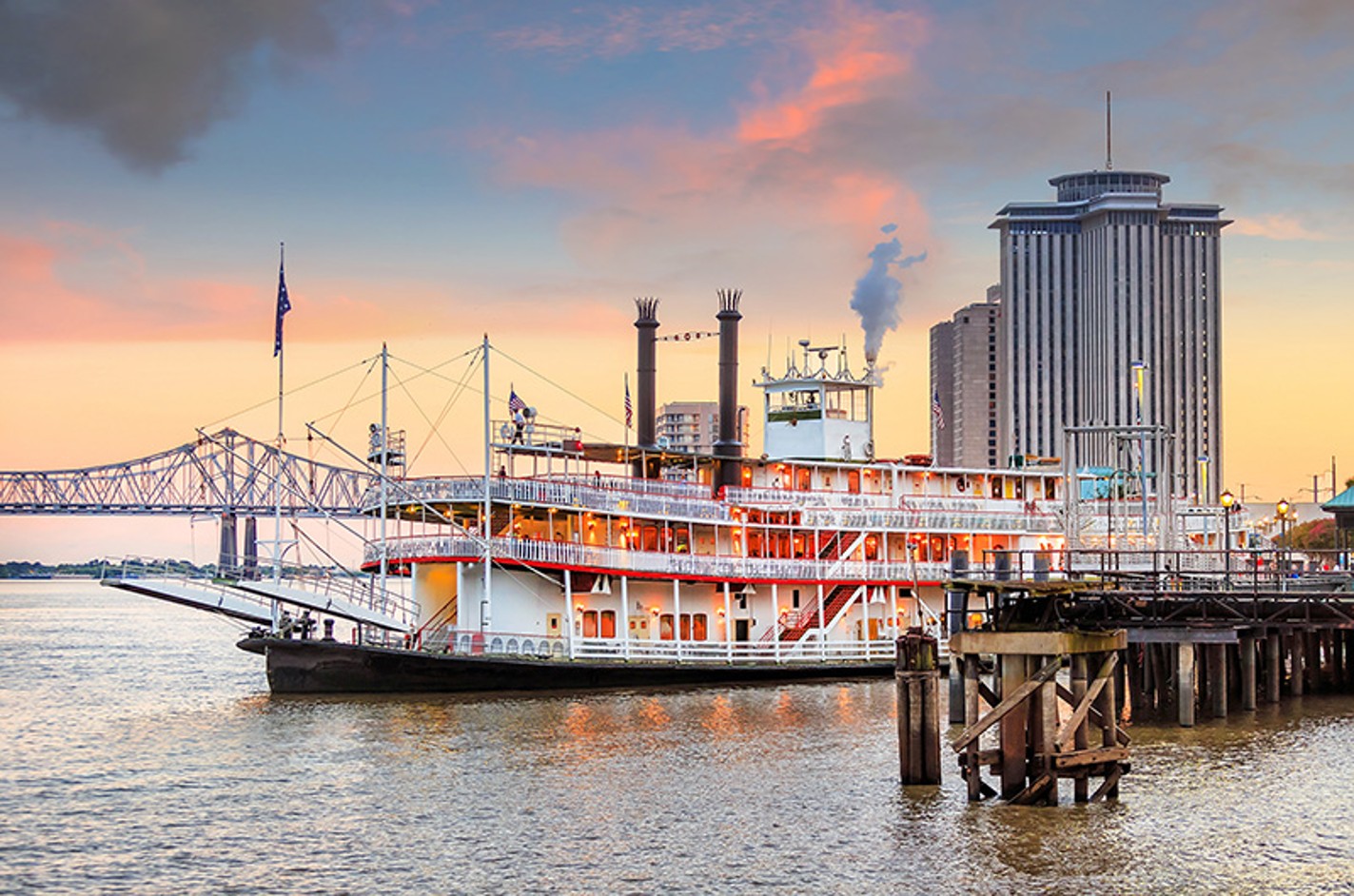
 On a Friday the 13th, the Atlantic Asphalt tanker struck the American Heritage, an American Cruise Lines riverboat docked at the Port of New Orleans. The riverboat rolled onto its side with people still aboard. The collision occurred around 12:30 p.m., while passengers were leaving the boat. Preliminary findings from the National Transportation Safety Board indicate the tanker suffered a steering failure that left its rudder stuck to starboard about two minutes before it struck the riverboat.
But according to news reports, 32 people went to the hospital, including 30 passengers and two officers who ended up in the water, and many others now face medical bills, missed work, and calls from companies and adjusters. Fortunately, there were no fatalities.
If you were injured in the collision or its aftermath, you may be entitled to compensation. But this area of law – admiralty and maritime – is complex and much different from other types of accident claims under Louisiana state law.
Choosing an experienced lawyer who handles riverboat injury claims and maritime and offshore injury claims – like the attorneys at Lamothe Law Firm – may be the first and best decision you make.
If You Were a Passenger on the American Heritage Riverboat
Because the tanker caused the collision, passengers’ main claim will likely be against the owner and operator of the Atlantic Asphalt under general maritime law. That law presumes a moving vessel is at fault when it strikes a properly moored one, and a steering failure does not automatically excuse the owner, especially if the equipment was poorly maintained or the crew responded badly.
Passengers may also have a claim against American Cruise Lines, which owed them reasonable care even while the boat was tied up at the dock, if anything it did or failed to do added to their injuries.
Passengers hurt in an accident like this may be able to seek compensation for hospital and follow-up care, lost income, pain and suffering, and emotional distress from being trapped on a capsizing boat or ending up in the river. Maritime law generally allows emotional distress claims when a person was physically hurt or put in real danger. Belongings lost with the boat, such as medications, phones, and luggage, as well as the cost of the trip, may also be part of a claim.
Two points matter early. First, if you have a claim against American Cruise Lines, remember that your cruise ticket is a contract, and the fine print may shorten your deadlines, sometimes to six months to notify the company of a claim and one year to file suit. It may also dictate where a case has to be filed. Second, the company or its insurer may contact you quickly and may offer a refund or a payment. Before you sign a release or give a recorded statement, find out what you would be giving up. A signed release can be very hard to undo.
If You Were an American Heritage or Atlantic Asphalt Crew Member or a Port of New Orleans Dock Worker
Crew members on the American Heritage who qualify as seamen may bring a negligence claim against their employer under a federal statute called the Jones Act, and the burden of proof is lighter than in most injury cases. This is different from workers’ compensation, governed by state law. Crew members may be owed “maintenance and cure,” which covers living expenses and medical care during recovery whether or not anyone was at fault. Seamen may also have an unseaworthiness claim, which does not require proof of negligence, and may have a claim against the owner of the Atlantic Asphalt if the tanker was at fault. Lost wages, reduced ability to work, and the loss of a job and belongings when the vessel capsized can be part of the claim.
Many crew members worry that speaking up will cost them their job or their next contract. That is a good reason to talk with a lawyer before you talk with the company’s claims adjuster. Seamen generally have three years to bring a Jones Act claim, but evidence is easier to preserve early.
If you work aboard the Atlantic Asphalt and were hurt, your rights are different. The tanker is Marshall Islands-flagged. Whether the Jones Act applies to a foreign-flag vessel depends on factors such as the flag, the employer, and where the employment contract was made, and the contract may call for foreign law or arbitration. You may still have a negligence claim against the owner of another vessel involved, if that owner was at fault.
Many port and dock workers who are not seamen are covered by the Longshore and Harbor Workers’ Compensation Act, a federal law that pays medical care and part of lost wages regardless of fault. Some, including certain public employees, fall under Louisiana workers’ compensation instead. Either way, those benefits do not necessarily stop a worker from also pursuing a negligence claim against a vessel owner whose carelessness caused the injury.
If You Helped or Watched
Reports credit first responders, volunteers, and crew members with helping people to safety. A person who is injured while reasonably trying to rescue someone can generally recover damages from whoever created the danger in the first place.
If you watched from the riverbank and were not hurt, the law is less generous. Emotional harm without injury or personal danger is hard to recover, and maritime law generally limits claims for purely financial losses, such as business lost while the river was closed. If you were injured or were close enough to be in danger, it is worth a conversation.
Why Early Action Matters
Keep your ticket, photos, text messages, medical records, receipts, and any damaged clothing. Write down what you remember now. Vessel owners can also ask a federal court to limit what they owe to the value of the vessel after the accident. When that happens, the court usually pauses other lawsuits and sets a single deadline for everyone to file a claim, and missing it can cost you your claim.
Because the tanker caused the collision, its owner is the most likely to try this. Whether that limit holds may depend on whether the owner knew or should have known about the steering problem, which is one more reason to act quickly. Involving a lawyer now, rather than later, can help make sure your claim is not left behind.
Talk to a Riverboat Injury Attorney at Lamothe Law Firm
For more than 40 years, founding attorney Frank Lamothe has successfully litigated maritime and offshore injury claims. He has lectured national audiences of lawyers on related topics and is listed in Best Lawyers in America and Louisiana Super Lawyers. Beyond Frank, our team has been named Admiralty Law Firm of the Year in Louisiana by Global Law.
If you or a loved one sustained physical injury or incurred financial loss because of the November 13, 2026, New Orleans riverboat collision, contact Lamothe Law Firm for a free consultation.